60 mins


 China
 India
 Japan
 Philippines
 Singapore
 South Africa
 Sri Lanka
 Thailand
 Colombia
 Ecuador
 Austria
 Denmark
 Finland
 France
 Germany
 Hungary
 Norway
 Poland
 Portugal
 Romania
 Spain
 Sweden
 Switzerland
 United Kingdom
 UAE
 Canada
 Mexico
 United States




Every institution that introduces a new system, platform, or way of working eventually asks the same question: did it actually change how people work? Most transformation programs are measured by what gets delivered: a new platform, a completed rollout, a set of training sessions. Yet none of these are the real benchmarks of success. The real question is simpler: are people actually working differently?
Our point of view is simple: sustainable change depends on three forces working together: technology that supports the task, training that builds capability, and change management that helps people adopt new behaviors and sustain them over time.
Why technology and training alone fall short
Education and training initiatives are usually planned and funded as technology or content projects - a new learning platform, a new curriculum system or a new reporting tool. But while a working system and well-designed training content may be necessary, they are not sufficient by themselves. Sustained impact shows up only where three things overlap: technology that actually fits the task, training that builds real capability, and change management that gives people a reason to change, support while old habits break, and reinforcement once the initial push fades.
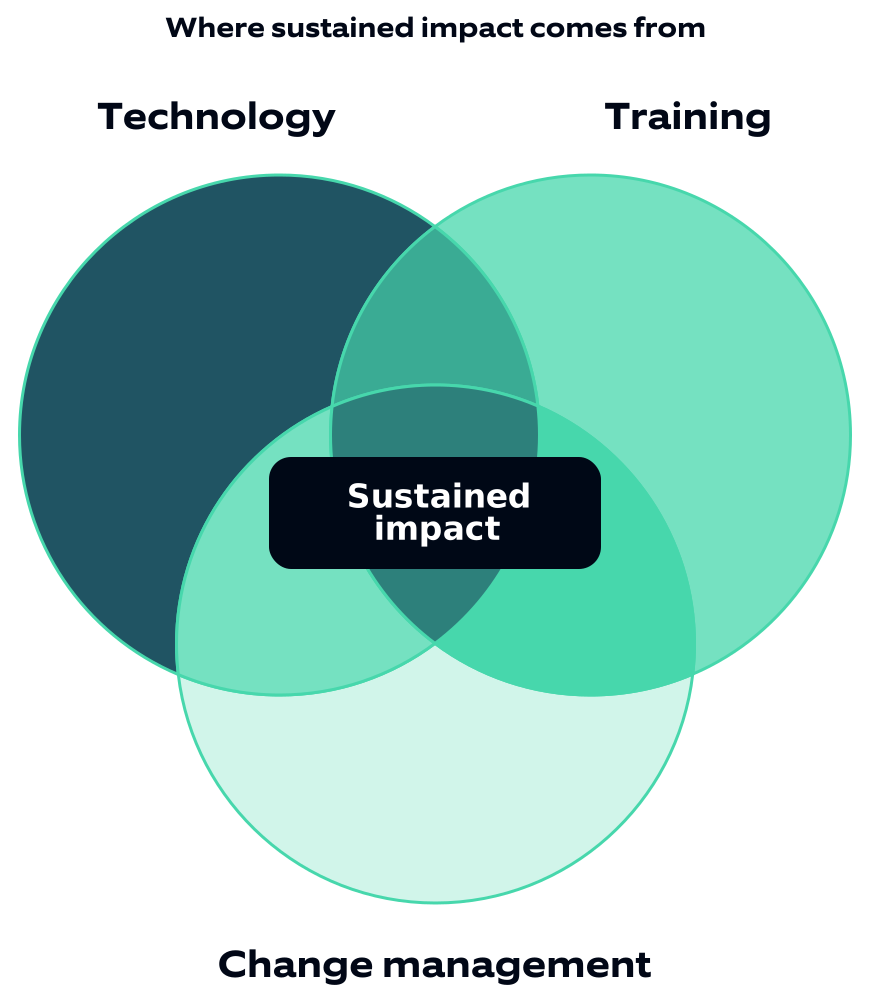
Figure 1: Where sustained impact comes from
Miss the third ingredient and a familiar pattern follows: a strong system, solid training, and a rollout that still stalls as people revert to workarounds and usage plateaus below plan. That is not a training problem or a technology problem; it is the absence of a planned change journey. It's why education and training programs increasingly treat change management as a parallel priority, not an afterthought reserved for a status report.
Nagarro's Change Management framework
To address this challenge, Nagarro uses a four-phase Change Management framework designed to move organizations from readiness to sustained adoption, running across Strategy, Communication, Enablement, and Evaluation.
Discovery
Discovery diagnoses current-state readiness and defines success criteria.
Preparation
Preparation builds the governance, leadership alignment, and measurement scaffolding before anything goes live.
Execution
Execution delivers the change while monitoring adoption, utilization, and proficiency in real time.
Sustainment
Sustainment transitions ownership, embeds capability, and captures lessons learned.
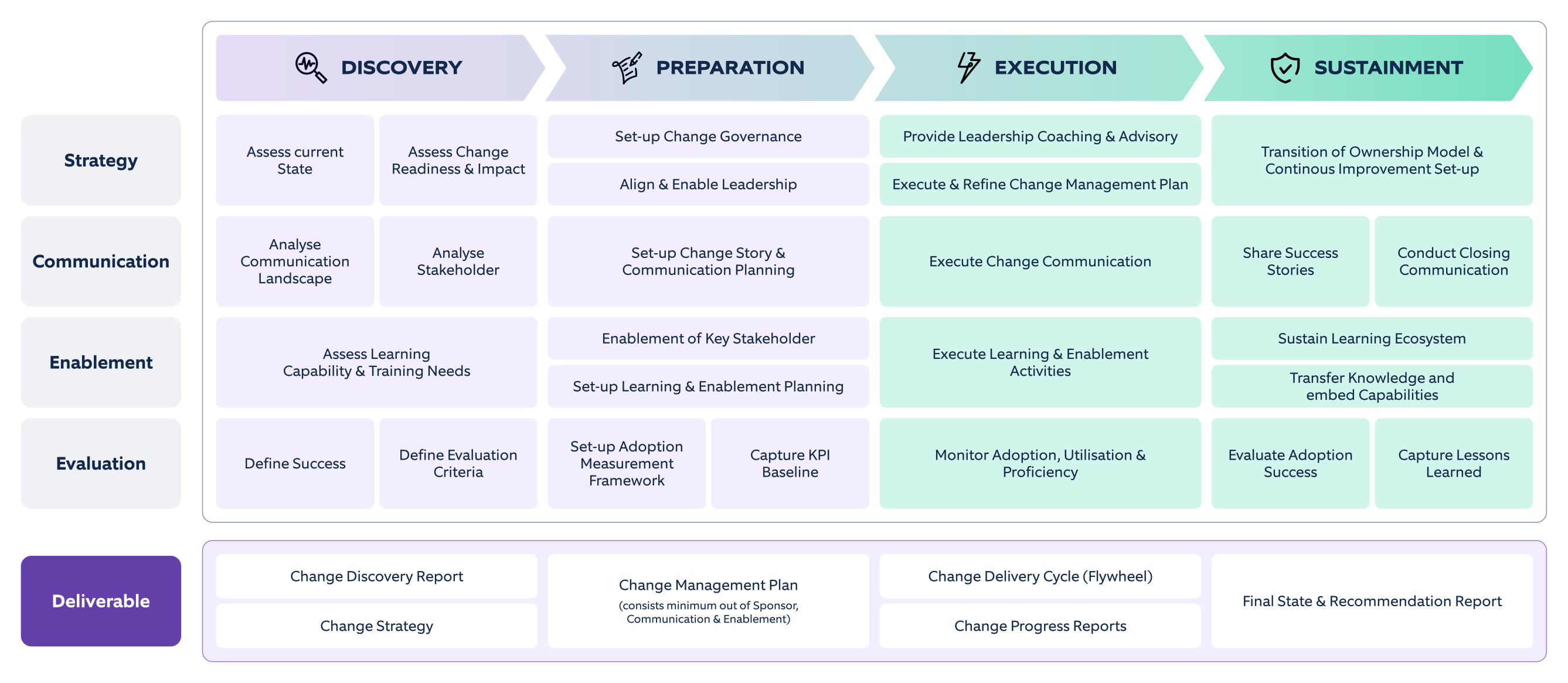
Figure 2: Nagarro's Change Management framework
The framework travels across technology rollouts, curriculum change, and operating-model redesign alike, and for larger, multi-wave training programs it specializes further into interlocking systems — communication, sponsorship, delivery, content, point-of-need support, adoption measurement, and feedback — organized around the individual change journey.
Evaluation: The most overlooked workstream
Of all the four workstreams, Evaluation is often the most overlooked, despite having the greatest influence on long-term success - and this is the one that educational institutions have the most reason to prioritize. Universities and schools operate where speed of adoption, total utilization, and proficiency are not abstractions; they translate directly into instructional time lost, compliance risk, and the credibility of the institution's own change leadership.
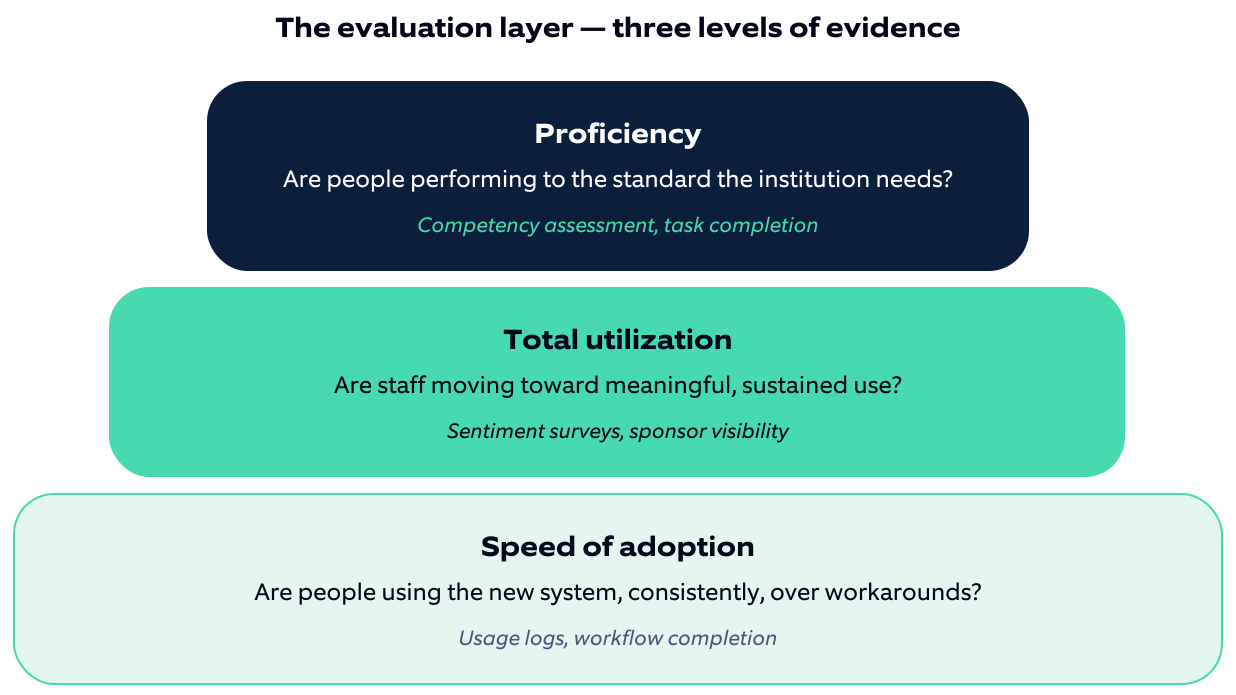 Figure 3: The evaluation layer - three levels of evidence
Three lenses for measuring adoption
Adoption cannot be measured through a single metric. Institutions need three different lenses to understand whether change is happening, whether it is sticking, and whether it is producing the intended outcomes.
-
Speed of adoption asks whether people are actually using the new system rather than reverting to workarounds, tracked through usage logs and completion rates.
- Total utilization asks whether faculty, administrators, and staff are moving toward meaningful, sustained use, tracked through sentiment surveys and sponsor visibility.
- Proficiency asks whether people are performing to the standard the institution needs, not just logging in, tracked through competency assessment and support-ticket patterns.
Why educational institutions are especially exposed
Universities and schools sit in a particularly exposed position here: compressed academic calendars, professional-development obligations training must satisfy, and front-line staff who are simultaneously the audience for change and the people modeling it for students. Skip rigorous evaluation, and proficiency gaps tend to surface only at a compliance deadline or accreditation review - later and costlier than a designed measurement system would have caught.
A foundational KPI framework for adoption
That is the case for a foundational KPI framework that organizes adoption metrics into three tiers, each with a distinct owner and evidence type. 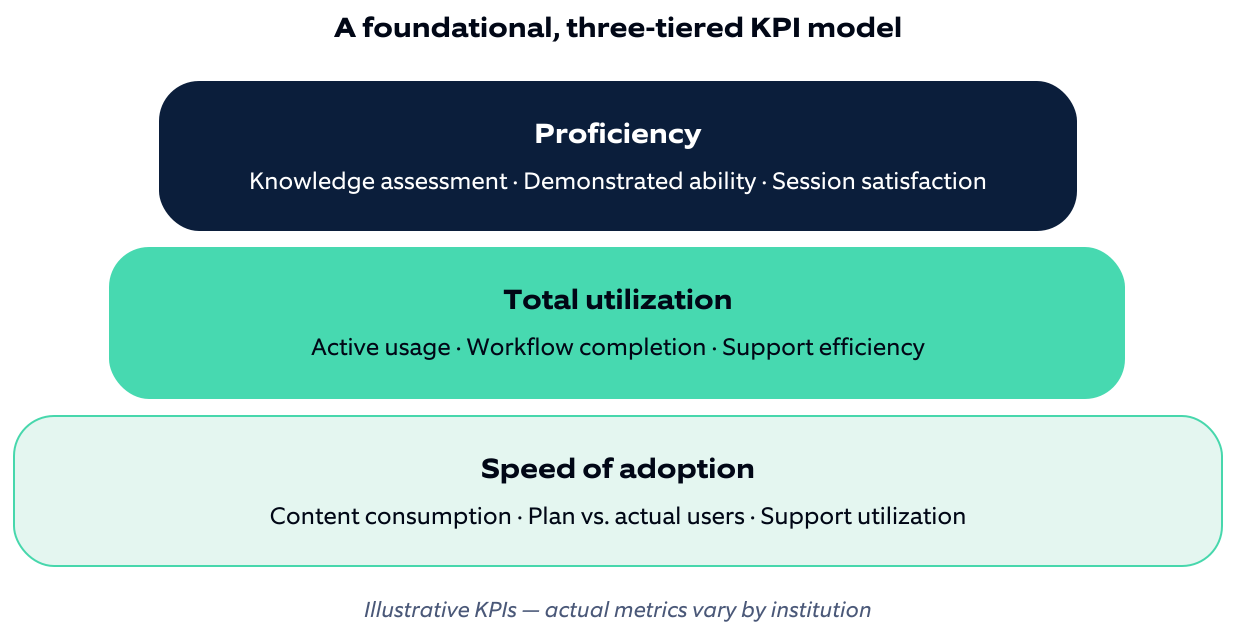
Figure 4: A foundational, three-tiered KPI model
The three KPI tiers
-
Speed-of-adoption KPIs - content consumption, plan-versus-actual users, early support-ticket volume - come from LMS and system records and show whether rollout is on pace.
-
Total-utilization KPIs - active usage, workflow completion, support efficiency - come from usage logs and helpdesk records and show whether use is sticking.
-
Proficiency KPIs - knowledge assessment, demonstrated ability, session satisfaction - come from training records and show whether people can actually perform the new way of working.
Completing a course could prove attendance at best, not adoption. The three tiers together are what show that an institution is getting the result it needed, not just delivering content. The specific KPIs here are illustrative - the right set will vary by institution.
From human-curated to AI-automated measurement
This model is largely human-curated today - KPIs defined up front, data pulled into dashboards, analysts interpreting trends on a weekly or monthly cadence. A natural next step, already achievable with current AI capability, is to make it progressively more automated.
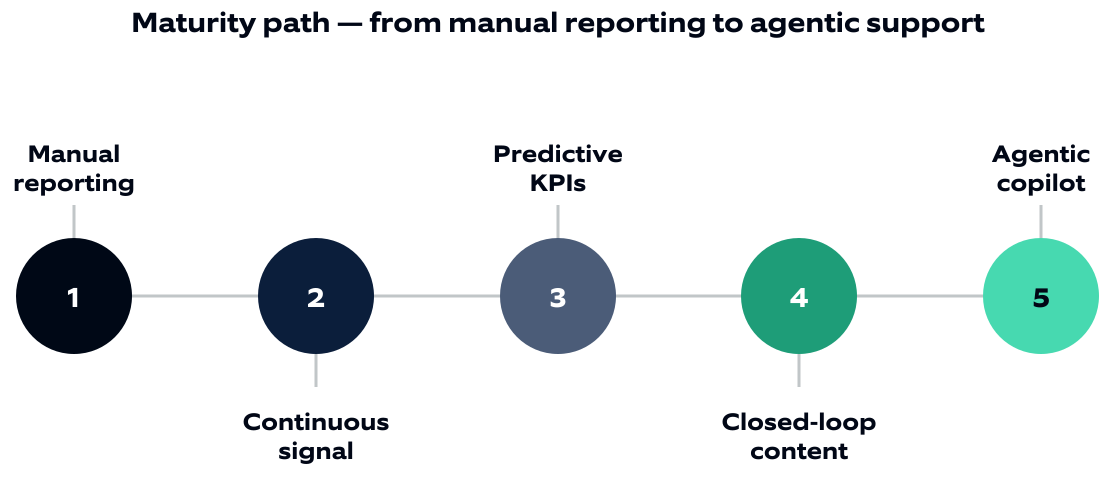
Figure 5: Maturity path - from manual reporting to agentic support
What automation makes possible
Real-time ingestion of usage and support data turns a batch report into a continuous signal. Instead of waiting weeks for reports, institutions can monitor adoption continuously and respond before small issues become larger problems. Early-warning scores flag which cohorts are likely to miss adoption targets. Auto-detected friction points generate draft job aids and FAQs for human review. And, eventually, an agentic copilot drafts readiness narratives, populates dashboards with plain-language commentary, and escalates only genuine exceptions to change and learning leads.
Designing for automation now
Each step raises a real challenge - clean unified data, enough history to train a model, enough trust to act on AI-drafted content, and institutional willingness to let a system recommend rather than just report. None of that is a reason to wait; it's a reason to design the KPI model, governance, and data foundation for automation now, while keeping human sign-off on go/no-go decisions, explainability for predictive scores, and a manual override at every stage - particularly in education settings where outcomes affect students, faculty, and accreditation.
Conclusion
The most successful transformation programs are not the ones that launch on time. They are the ones that become part of everyday behavior. Technology enables change, training prepares people for change, and change management helps people navigate change. But adoption is what proves that change has happened.
For educational institutions, that means looking beyond training attendance, course completion, and go-live milestones. It means understanding whether people are embracing new ways of working, using them consistently, and performing them effectively. Because in the end, no platform succeeds simply because it was deployed. It succeeds when people choose to use it.
Technology changes and training initiatives succeed when technology, training, and change management move together, and when adoption - not completion, and not go-live - is treated as the real finish line.