60 mins


 China
China  India
India  Japan
Japan  Philippines
  Singapore
  South Africa
  Sri Lanka
  Thailand
  Colombia
  Ecuador
  Austria
  Denmark
  Finland
  France
  Germany
  Hungary
  Norway
  Poland
  Portugal
  Romania
  Spain
Spain  Sweden
  Switzerland
  United Kingdom
  UAE
UAE  Canada
  Mexico
  United States

.svg)




You might have read the first and second part of this series. If not, I highly recommend you go through them before continuing here.
In the previous part, I had talked about the Change Management plan, which is the basis for all your activities that you will be carrying out. This is the centerpiece, just like a project plan. It can consist of several sub-plans, depending on the exact situation you are in. While executing the Change Management plan, you will inevitably have to adapt depending on the results of the measures taken. This is absolutely normal, and it is very important to remember and communicate from your side.
In this blog post, I will give you some theoretical background to the sub-plans and show you some learnings and recommendations through my real-life examples so that you can apply them to your Organizational Change Management (OCM) initiative.
Step 6: Communication
Communication is one of the key factors for successful Change Management. One of your biggest goals should be to communicate and build awareness about the change in the organization. Remember, even if you have an individual approach for each concerned person or group in your Change Management plan to guide them through the change, it would still be worthwhile to create a more global communication plan.
But before we start, let us look at the Nagarro OCM onion that I introduced in the first part of this series:
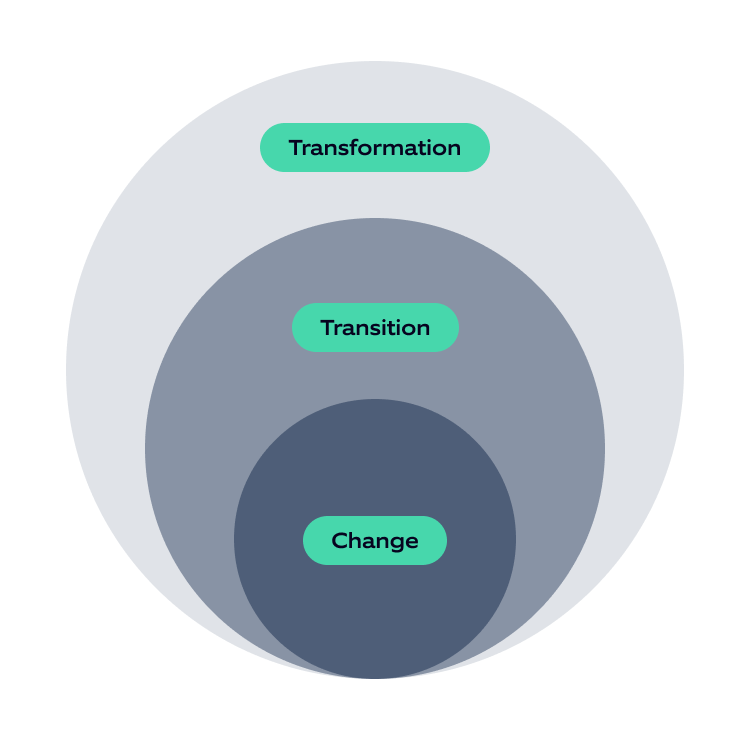 Figure 1: Components of the Nagarro OCM onion
The effort of your communication depends a lot on the impact of your initiative on the organization. While a simple “Change” might not necessarily require extensive communication on many channels, a “Transformation” should be communicated using all available means.
Your plan must ensure regular communication about the initiative. Everyone must be clear that there is progress and that the initiative is very important.
The style of communication should also respect the specific culture of the organization. This can be done through in-person meetings, emails or other written communication via the typical channels of your organization. Here is an example of some cultural factors that explain how to best address your audience:
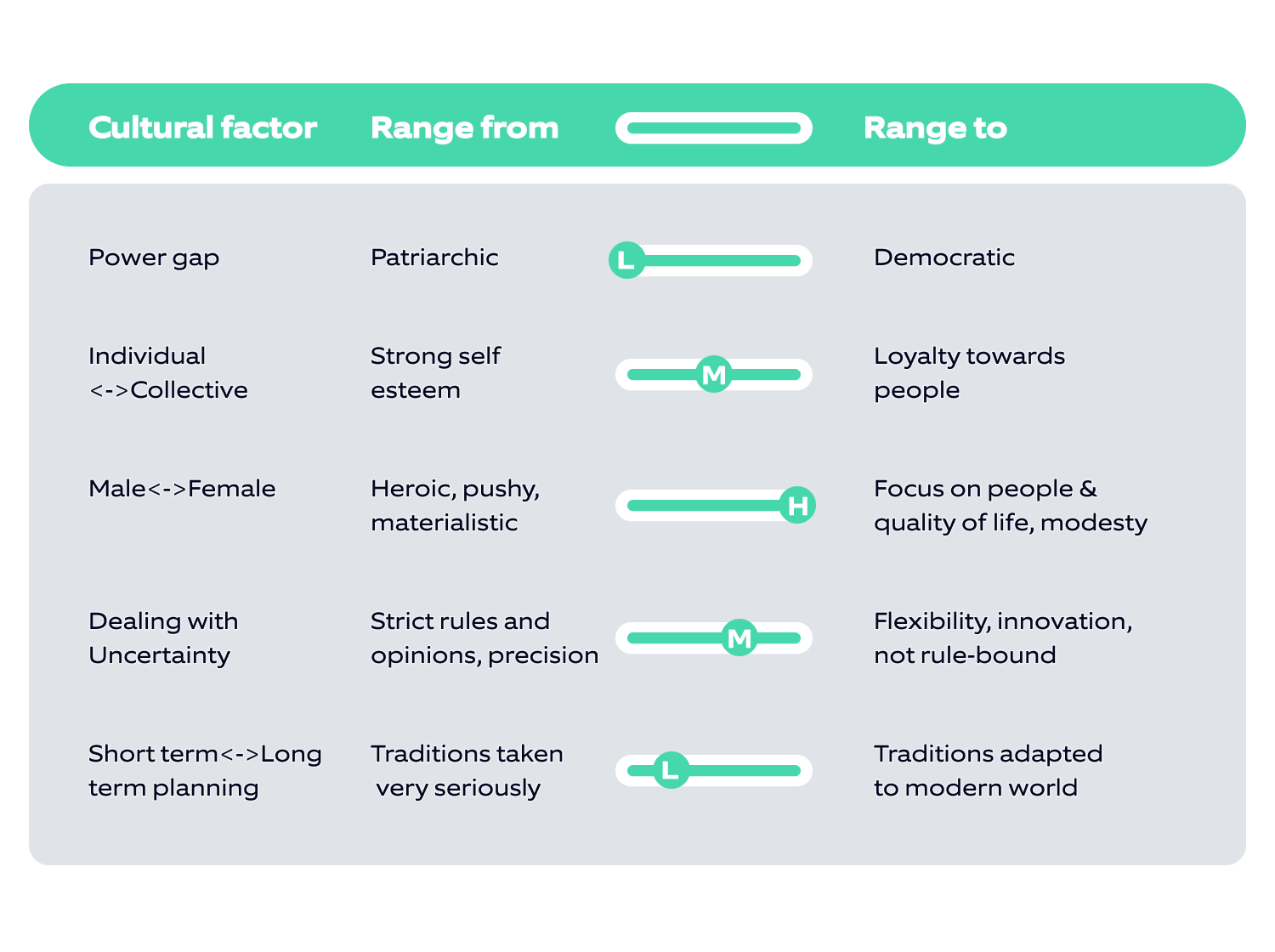
Figure 2: Cultural factors in addressing your audience
In terms of content, the main messages will follow the typical Change Management journey, starting with the “why?” with the later messages being more detailed and individualized.
You should also foresee some specific milestones of your initiative, especially if it is a long-term one, like more than one year. These “quick wins” should be an essential part of your communication because at some point, people will be more inclined to first see the results of the initiative. Showing them some impressive success stories in the initial stage itself will demonstrate that the change is going well and, more importantly, that the expected effects are coming together. This will keep them engaged and excited without losing momentum.
Example: Coming back to my example here in Vienna – I began with a simple IT project here that ended as a Transformation. To communicate our vision, we gathered for an on-site meeting at a public place that could comprise all employees. The Board of Management presented the vision and a rough path towards this vision, even as some people in the change team shared more details for additional inputs. After this, we had a Q&A session where everyone could ask and the BoM or Change team members would answer.
This was followed by a buffet and some small talk opportunities so that we could have a quick health check on the atmosphere, and how well the announcement was received. It took a lot of planning and some dry running to get it going authentically, but overall, it was a very good kick-off. It’s also important to note that we had not planned or rehearsed anything specifically. Our goal was to encourage some individual aspects in the presentation to ensure its authenticity (which was a core part of the company culture) and not act like it was a scripted TV show.
Step 7: Enabling and coaching the Management
As an extension of the previous part, we should take a closer look at who is actually communicating. It does make a lot of difference who is conveying a message. Disregarding this very important aspect can lead to ineffective Change Management.
This topic has seen its fair share of research and studies. A 2023 study from Proscii about best practices in Change Management shows that over 60% of people expect global / organizational messages to come from the top management. Likewise, nearly 60% people also expect personal messages, e.g. about what specifically will change for an individual, to come from their direct line managers.
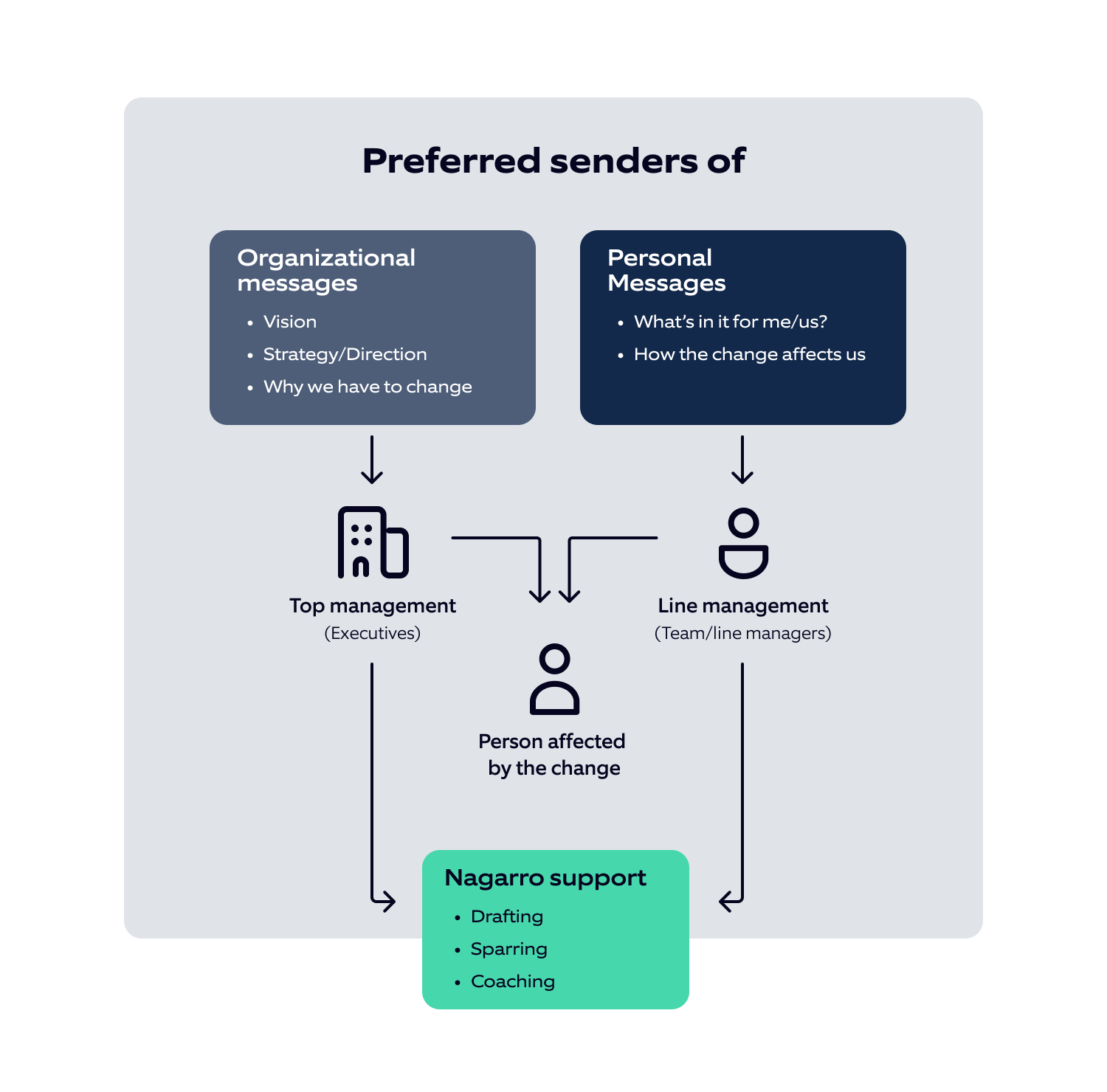
Figure 3: Who communicates what in change
What does that mean for our Change Management communication approach? Very clearly, it shows that a management that does not buy in and does not actively support or promote the change is a big risk for a successful initiative. While I did lay this out already in the previous two parts of this blog series, I am adding another dimension here about why this is one of the most crucial aspects of Change Management.
You must plan activities with these people to prepare them for their very crucial role in the Change Management process. This should include checking their own change readiness and whether they are fully aware of the “why?” as well as about the urgency that makes the change necessary. If they are not fully aligned or clear about the “why?” it can lead to incoherent communication.
Another reason why you should dedicate an early part of your Change Management measures to them is because it can help you spot or anticipate resistance. We can typically categorize all the various aspects of resistance into six major groups, as seen below:
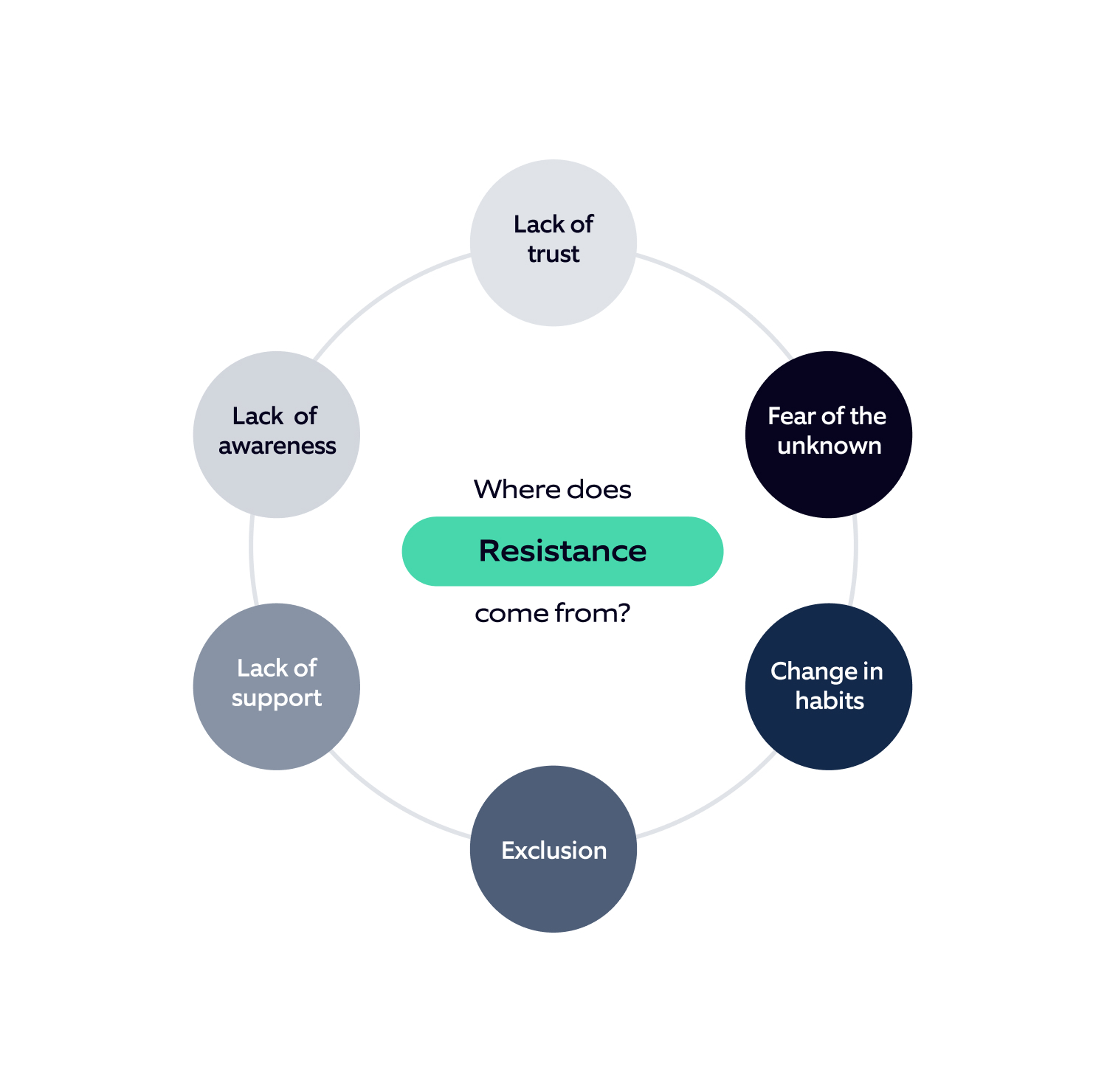
Figure 4: Anticipating the source of resistance
Based on these anticipated main roots of resistance from your coaching with the management and additional results you got from initial interviews and discovery, you can already pre-define potential counter measures.
After this initial coaching with the management, you should give them constant support and coaching. You can also help them with their communication. Usually, as the change manager, you can prepare who, what, how, when, to whom, and in which setup something should be communicated and with this briefing, the top or line management can execute this plan.
You should be doing the communication quite rarely. For example, when you are both a project as well as change manager or when change management itself is an important part of an initiative, as shown in the example in the previous part.
Example: In the project I already referred to above, we had specific change management sessions with both the Board of Management and the direct line managers. These sessions were used to prepare them for their role in the upcoming transition process. The BoM’s focus was on aligning top management and streamlining communication about the reasons for the change. For the line managers, it was about preparing them for potential resistance in their teams and how to deal with that, giving them good arguments for the change, and a target picture of the future processes that they could expect.
Step 8: Training & Exercising
In my view, it is a very common and dangerous misconception to reduce Change Management to simply a “just train them” mindset. While a training plan will be part of many Change Management plans, it is usually far from being the core of it. So, let’s talk about training!
You have done a very good job at explaining the “why?” of your initiative, even securing a buy-in of the people by explaining what’s in it for them. Now the next relevant factors are adoption, utilization, and proficiency. These are the ultimate deciding factors in whether your initiative will yield the return on investment.
To prepare the concerned people optimally for how they are affected in their everyday work, we need to differentiate between “training” and “exercising.” Both are equally important to achieve the above-mentioned goals, and they are often confused with each other.
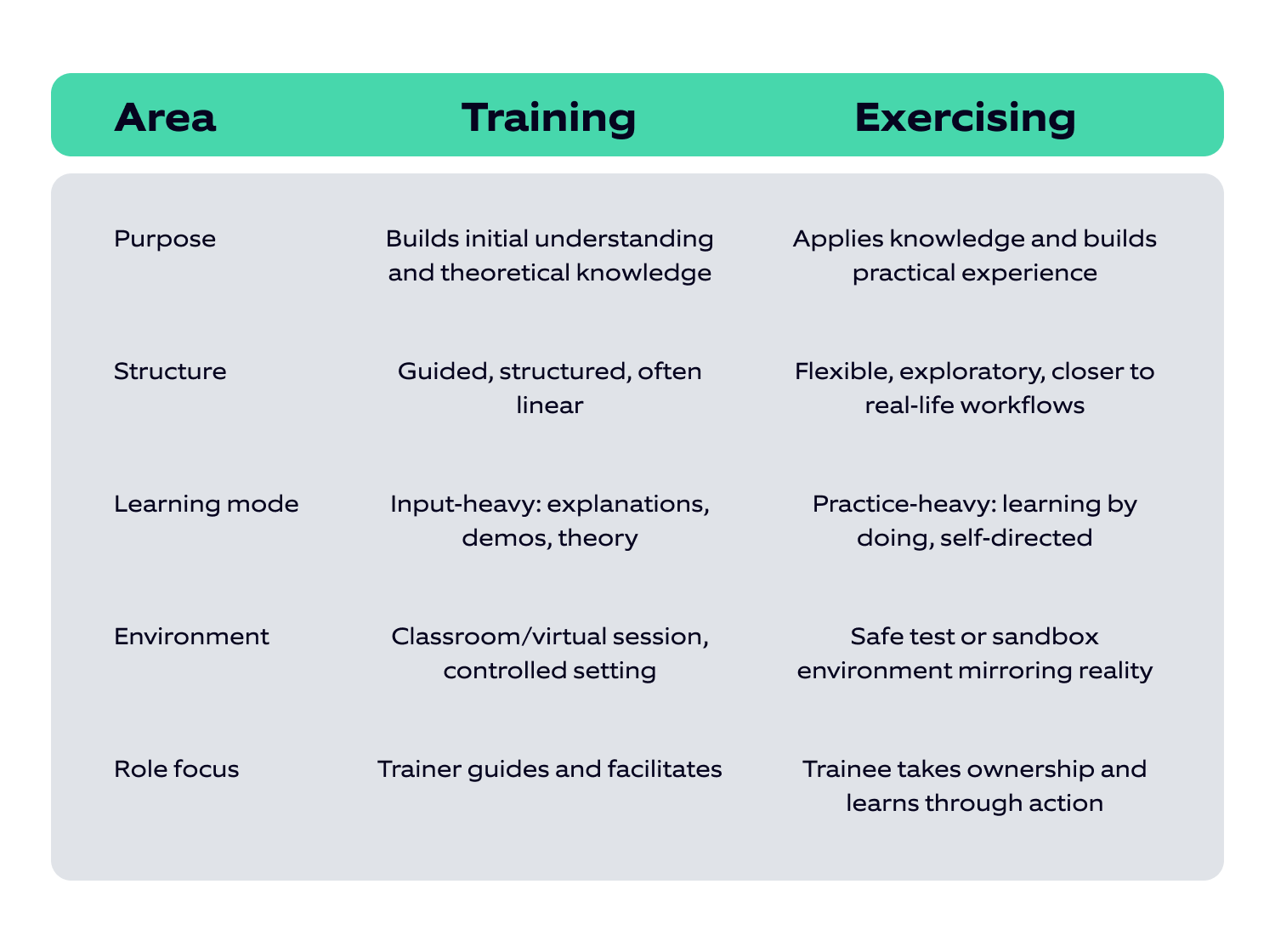
Figure 5: Key differences between Training and Exercising in learning
“Training” in this context refers to the pure “schooling” part of having sessions explaining the new ways, maybe even with some examples to try out and/or a test at the end.
For your training activities, you must check all your identified concerned groups of people and decide whether they need a training and if so, which kind of training it would be. Obviously, there could be more than one training per group or there could be initial trainings and refresher courses if the initiative spans over a long timeframe.
Normally, your training plan should contain who, what, how, when, and in which setup the training is to be carried out. When you have created these basic training plans with the various types of training depending on the target groups, the trainers can work on creating all the materials. Please note that just like in the communication part, you - as the change manager –should preferably not be the trainer.
“Exercising,” on the other hand, is about practicing in a test environment that simulates real life scenarios to get accustomed to the new ways of working.
While the importance of exercising is often forgotten, I strongly recommend planning such sessions. Training is important but perfection comes only with practice. Thus, if the project setup allows for it (and you should try to find a way to do it), you must try to get a kind of MVP or model office environment going to enable the concerned people to put their new skills to use.
People can bring their real-life cases from the same or previous days and try them out again - only that this time, they will do so by using the new ways of working. These sessions do not need to be moderated very much – it would be enough to just have some experts to be around to answer upcoming questions. This kind of exercising will boost the productivity from day one, as people are already way more comfortable and experienced and do not fear making mistakes.
Example: In my project, we carried out various trainings for different groups of concerned people. Each training course had several possible sign-ups so that all availabilities and constraints were considered. After all the trainings, specific model office sessions were offered on days / times with less or no typical work.
During these sessions, the people concerned could either work under the new ways of working with some example tasks, or they could bring real-life tasks from their previous working day and try them out in the new environment. While this was a big undertaking, because it involved infrastructure and availability of trainers / experts, it was definitely worth it.
Conclusion
With these three parts, we conclude our deep dive into the most common sub-plans that come with your Change Management plan. Through this series of blogs, you would have seen some examples of how it can come to life. You are now well-equipped with a basic knowledge of how you can plan and carry out an initiative.
All that remains of this blog series is the final part, summing up the most important aspects of Change Management and how to reinforce a change after going live. Stay tuned!